THOMAS POOL REVIEWS THE LIGHTKEEPER AT THE DUBLIN INTERNATIONAL FILM FESTIVAL.
A lighthouse is a lonely symbol. Often a shorthand in literature, art, and film, the lighthouse represents themes of isolation, caution, and, with each flash of its lamp, hope for a safe harbour. The Lightkeeper (2026) is a film that embodies that forlorn mixture of solitude and hope. In the Light House Cinema, however, it was quite evident that familiarity and community was all around.
The sold-out premiere of The Lightkeeper on 21 February, during the Dublin International Film Festival, was filled with many attendees personally attached to the film. Set on an unnamed island off Ireland’s west coast, the film was shot on location in Donegal. All around me in the theatre, excited Donegal accents flittered around in whispers, with cheers and applause sporadically peppering the showing whenever an extra was recognised. The cinema had the same warm air of fellowship that you’d find in a local theatre production, and there was a great sense of pride and community among the many friends, family, and neighbours in attendance.
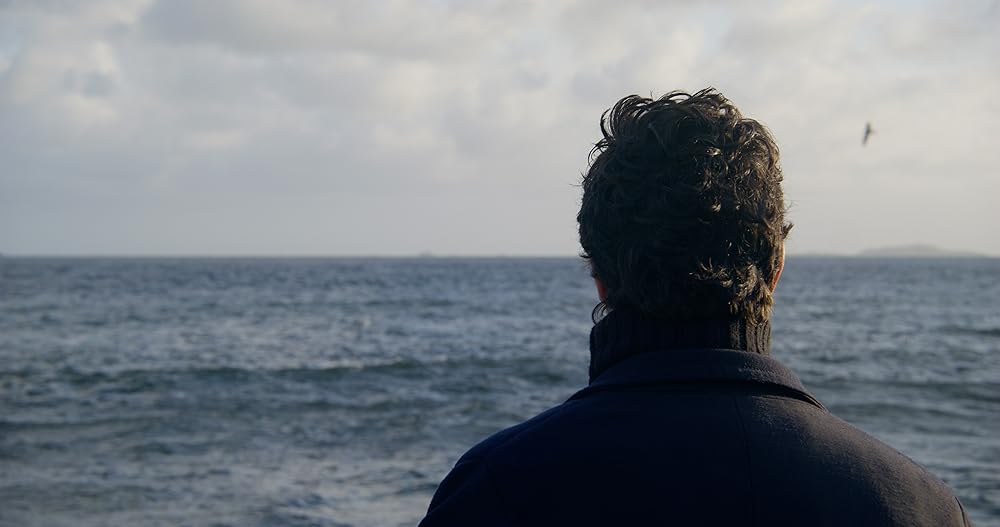
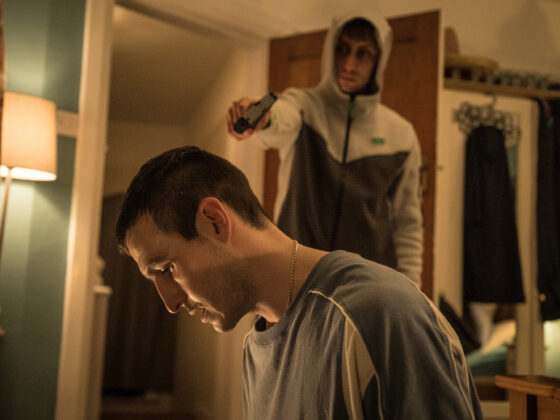
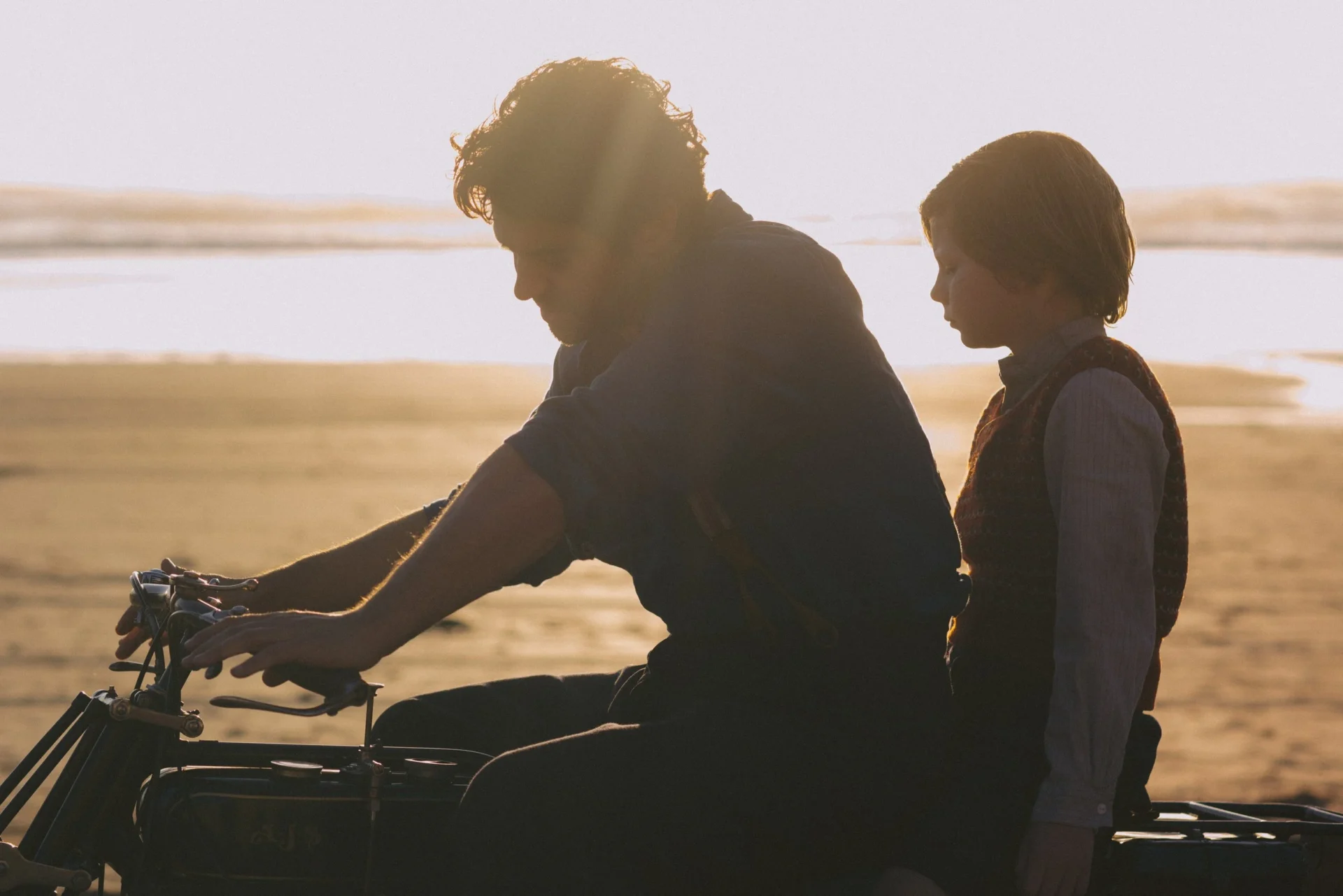
Set in 1924, the film centres on Seamus Óg McGrinna, played by Dominic Cooper, who is a lonely man with a lonely profession – a lighthouse keeper. Having lost his wife and child, Seamus spends his free time drinking, and rowing out to sea, waiting for the malevolent spirit, the Each-Uisce (Water Horse), to drown him. However lonely he is, he is not alone. His housekeeper, Maire, played by Sarah Bolger, is deeply devoted and protective of Seamus, and, we suspect, very much in unrequited love with him. Seamus’s routine of drinking in the pub, ferrying himself back to the mainland to pick flowers from his deceased wife’s garden, and then heading back to place them on her grave, fastidiously updating his lightkeeper’s log book, and attempting to drown himself, is interrupted by the separate arrivals of an American widow and a hardline priest.
The priest, Father MacGabhann, played by Aidan Quinn, is the only man on the island with a car. The sputtering of his Oldsmobile, a harbinger of his impending arrival, warns the islanders to start acting piously. The conflict with Seamus begins when the priest enters the pub, his car out of petrol, to request a jerrycan from the barkeep. With a rather dour mass having just concluded, the priest admonishes the men to return home to their families. Seamus, having no surviving family, takes that as exemption – the priest, however, does not.
MacGabhann makes one wonder, what if Father Ted had ruled Craggy Island with an iron fist? Not particularly competent, compelling, or adored, MacGabhann sees Seamus as a figure of resistance – one that must be subdued, lest the rest of his flock begin to question his authority. The priest finds his opening when he discovers Seamus has buried his wife Bridget on the unconsecrated grounds of the lighthouse, next to a memorial for their son, Weeshie.
The American widow, Edith, played by Sarah Gadon, has come to Ireland to try and find a sense of closure. Her husband, a soldier, drowned off the coast of the island when his transport ship sank during a ferocious storm in WWI. Weeshie, it turns out, died that night as well, after he rowed out into the channel to rescue the survivors. Their shared loss from the same tragedy brings Edith and Seamus together, much to Maire’s pain.
The film leaves much unsaid, and the hints of conflict between ancient mythology and the Catholic Church never quite materialise. The power of the priesthood at this time in Irish history is not only political and cultural, but personal as well.
MacGabhann uses the church’s influence to force the hand of the lighthouse commissioners, who demand that Seamus reintern his wife’s remains in the consecrated cemetery. When he refuses, he is told he will be fired. Criticism of this power is ultimately diffused by the end of the film, when after leading a mob to the lighthouse to forcibly remove Bridget’s remains, MacGabhann relents after hearing the trio of pleas from Maire, Edith, and Seamus himself. An uneasy truce is brokered, and the grounds of the lighthouse are consecrated. Unable to let power go completely, MacGabhann gently reminds Seamus that he will now need to put a cross above the garden gate.
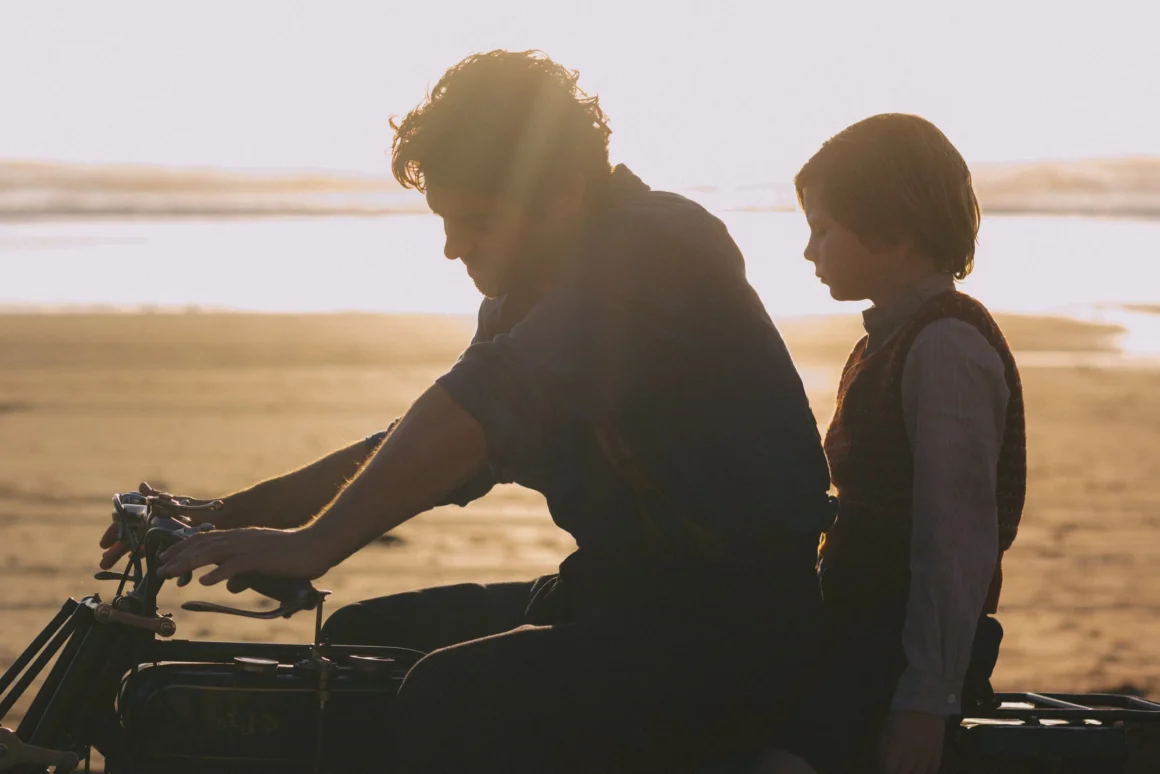
The film’s strength truly lies in its visual storytelling. The austere, sharp features of the Donegal coast are heightened by the superb cinematography of Vic Sarin, who is also the director. In one scene, the lighthouse itself, the only source of light at night, gently holds Seamus in a series of vignettes, as he slowly moves in its flashes. These lonely images of darkness and light would be marvellous additions to any photography museum if rendered into stills. At its best, the cinematography resembles Hungarian-American cinematographer, Vilmos Zsigmond’s work on The Deer Hunter (1978), echoing its use of natural light and expansive landscapes to shape a story about loss and moving forward after unfathomable tragedy.
In his final attempt to join his wife and child, Seamus is finally granted his audience with the shape-shifting spirit, Each-Uisce, who appears to him in the form of his son. Unlike in traditional folklore, where the water-horse drowns and devours its victims, Seamus is carried back up to the surface. As he pulls his skiff ashore, the lonely man at last finds the community that he had been longing for. Indeed, they were all around me in the theatre, roaring with applause.
Thomas Pool is the Content and Production Editor of The Visual Artists’ News Sheet and the Commissioning Editor of the miniVAN.