Sinead Mc Cormick DISCUSSES THE EVOLUTION OF THE BAVA PROGRAMME ON SHERKIN ISLAND.
Over the past 25 years, the BA in Visual Arts (BAVA) programme on Sherkin Island has become known for its unique, evolving model of art education. The community-based, four-year, honours degree programme is fully accredited, managed, and delivered by the School of Art and Design at TU Dublin in partnership with Sherkin Island Development Society (SIDS), and Uillinn: West Cork Arts Centre. It is part-funded by the Department of Rural and Community Development and Cork County Council. The programme provides an artist-centred, place-responsive education that embraces uncertainty, independence, and lived experience.
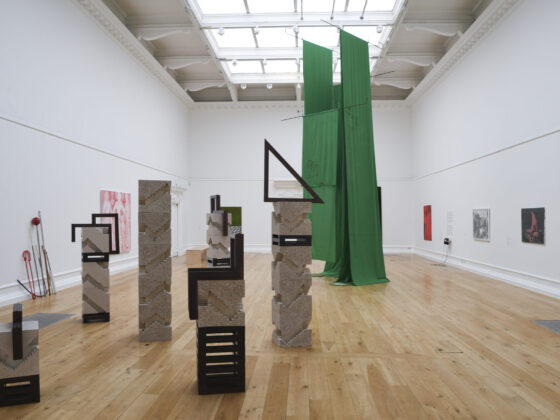
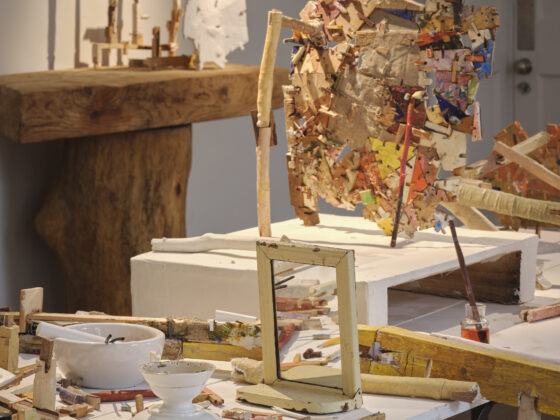
Far away from the infrastructures typically associated with art schools, BAVA Sherkin does not really have a specific purpose-built studio, or fixed workshop facilities, and no clear boundary between campus and community. Instead, Sherkin itself becomes both the place and the subject that shapes how students work, and also how they will come to understand what it means to be an artist in the real world. This is a course created in the real world for those who want to leave as fully-fledged, working artists, and is most likely the reason why BAVA graduates have won some major awards over the past number of years.
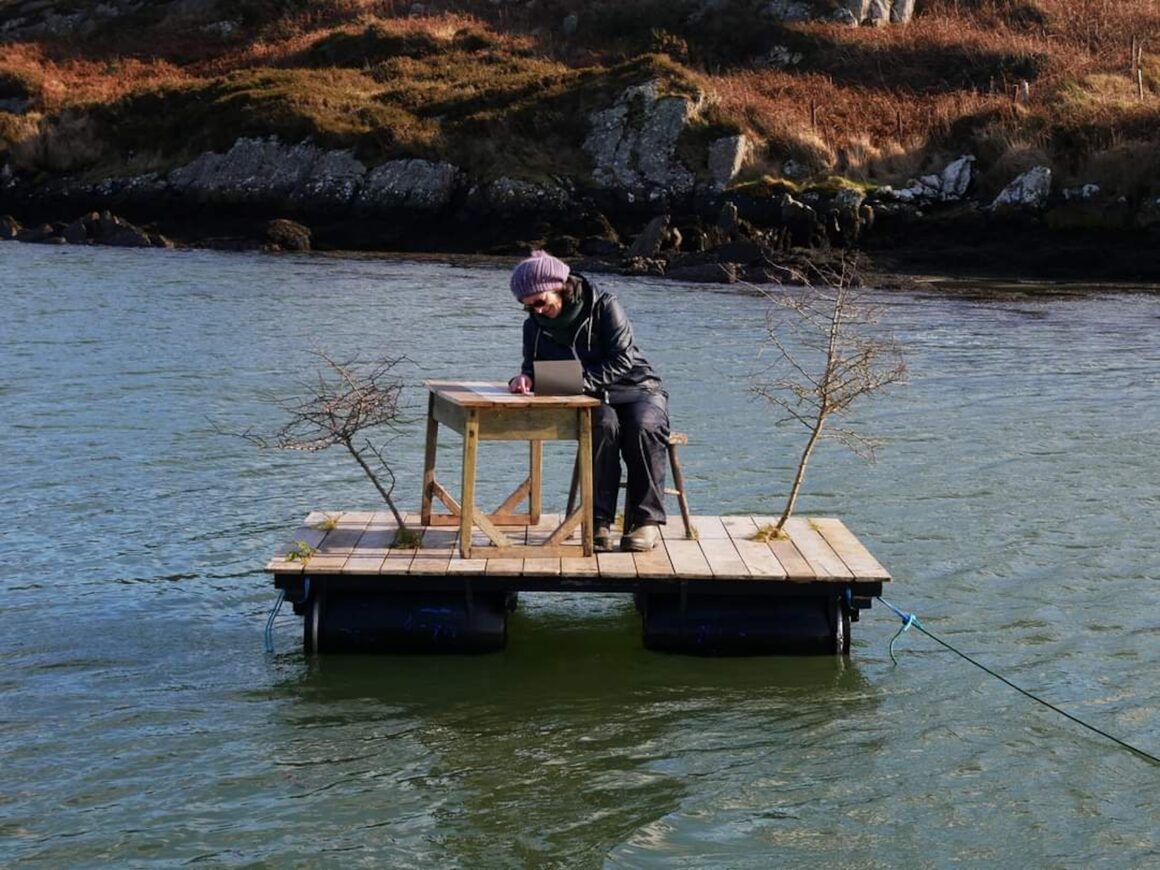
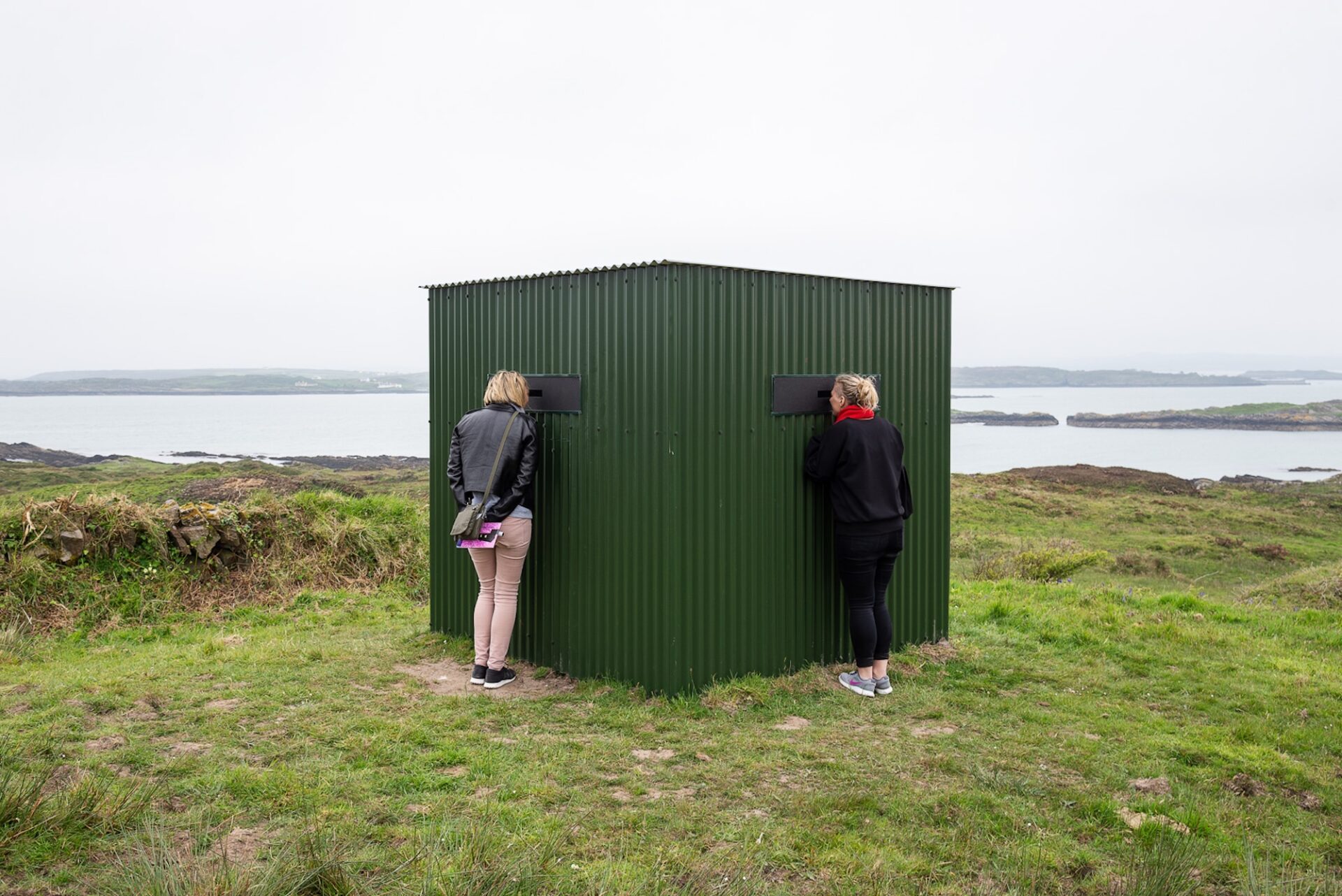
Spanning just five kilometres, Sherkin’s scale has never been a limitation; instead, the land itself and the islanders who inhabit it become the focal point of the course in so many more ways than could even be imagined. For BAVA, Sherkin is not a backdrop; it is a collaborator with students developing work in kitchens, sheds, fields, and along the shoreline. Student exhibitions have emerged over the years in response to the landscape with installations in domestic spaces, on beaches, or within working environments. The relationship between art and place has always encouraged students to work both practically and conceptually with material choices shaped by availability. Ideas and concepts are tested by and against weather, terrain, and time.
While much has been written over the years about the programme, what isn’t always captured is how the students themselves become so embedded in the island that many of them choose to make Sherkin their permanent home after graduation, earning it the title as the Island of the Arts. BAVA students become part of the wider Sherkin community and there is an understanding that if aid is needed for anyone, it is given. This resonates with how people reminisce about the old days of villages and what community was once built upon.
Because of this, students are not only learning techniques; they are learning how to situate their practice within real conditions, while solving real world problems along the way. Being on an island demands adaptability and forces students to foster artistic resilience that extends far beyond graduation and benefits them in their lives as working artists, says artist and course facilitator, Majella O’Neill Collins.
At the core of BAVA is a model that is entirely different from conventional art education courses. Alongside the curriculum, the programme emphasises mentorship, peer learning, and self-directed practice. Speaking of the course, lecturer Sinead Mc Cormick says: “Tutors are themselves practising artists, actively engaged in exhibition-making and research. This creates a learning environment grounded in lived experience rather than abstraction. The relationship between student and tutor is closer to apprenticeship than instruction, with knowledge shared through dialogue, critique, and example.”
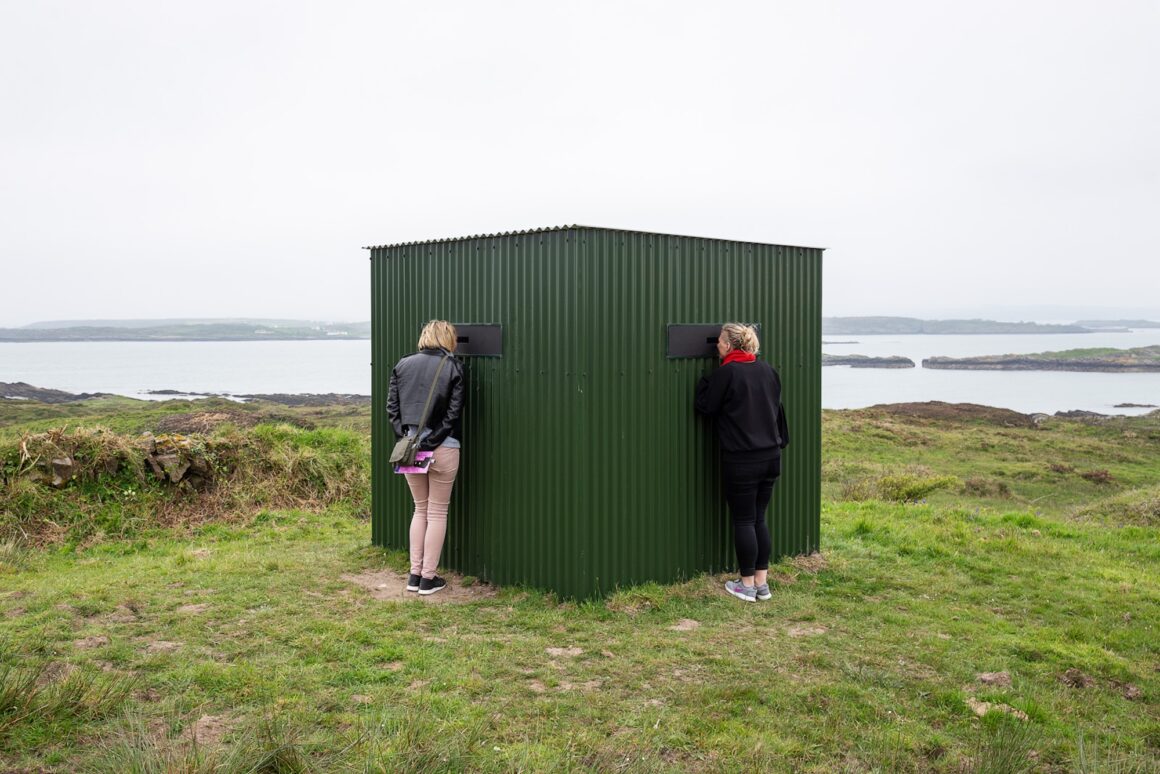
Due to smaller class sizes, peer critique is central to the course. Students are encouraged to articulate their ideas, challenge one another, and develop critical frameworks together. The absence of a large institution is what pushes students to be extra accountable and to engage in more tangible ways with their peers, tutors and the islanders, who they come to rely on during the course of their four-year degree programme. BAVA is a model of how art education is imagined for the future, yet it has been happening on Sherkin for decades.
One of the most unique aspects of BAVA is its integration within the island community. Sherkin is not simply a location for the programme; it is a participant and so too are the people who live there year-round. While students draw from the community, they also contribute to it, bringing new perspectives and creative energy to the island. This has helped to establish Sherkin as a site of ongoing artistic activity, with an international reputation that belies its small size. The result is a model of art education that is not isolated from the world but deeply embedded within it.
As BAVA moves into its next phase, its significance lies not only in its longevity, but in what it suggests about the future of art education in Ireland. Over the course of the programme, participating students have come from Sherkin and other West Cork islands; elsewhere in Ireland, including Dublin; Ukraine, Poland, Germany, and the UK. A number of graduates of the programme now live permanently on Sherkin Island. At a time when rental costs are rising and accommodation is a constant struggle, Sherkin offers an alternative: a decentralised, community integrated model that prioritises sustainability and community living, both artistic and social. Students rent accommodation on Sherkin for the weekend blocks, staying in shared houses and the island hostel. The programme’s evolution reflects a shift towards recognising the value of diverse educational ecologies that are responsive to place, grounded in practice, and open to experimentation.
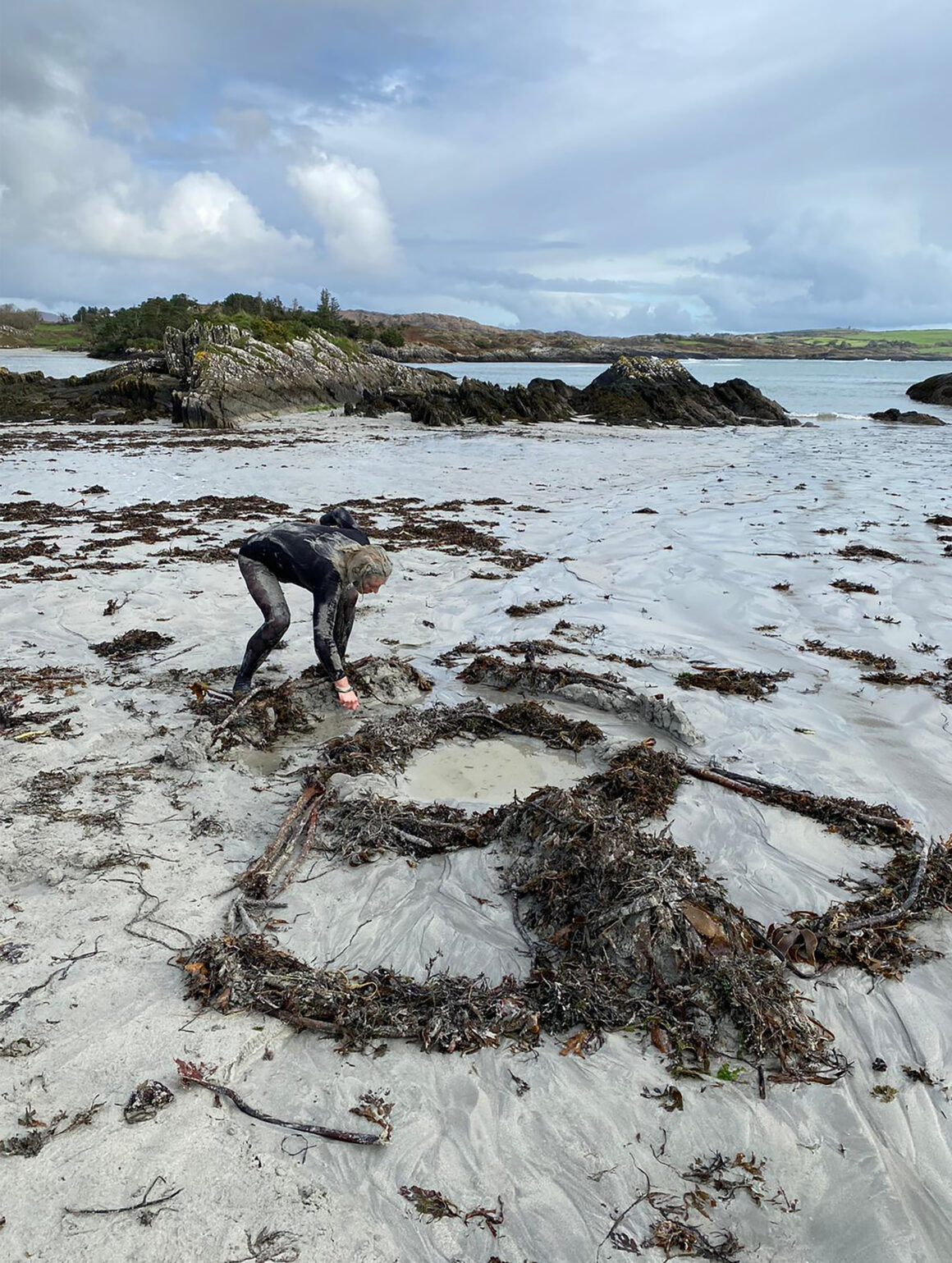
The MA Art and Environment (MAAE) is a TU Dublin School of Art and Design master’s programme that combines post-studio art practice, interdisciplinary research, virtual teaching, island studies and community engagement. It is located in the West Cork archipelago and Uillinn: West Cork Arts Centre. Like the BAVA programme, this archipelagic master’s is a significant arts and cultural resource for the region and has extended the range of creative opportunities not only for islanders, but for the broader West Cork community. With its focus on environmental art practice and community art-related knowledge, the students, led by Programme Chair, Dr Glenn Loughran, are actively involved in contemporary culture as organisers, makers, and commentators.
Recruitment for the 2026 intake signals not just the continuation of BAVA, but the renewal of how art education is perceived and received internationally. It is a course that understands learning as something that happens not only in studios or lecture halls, but in landscapes, in communities, and in the spaces in between. On Sherkin Island, art education is not removed from life. It is inseparable from it.
Sinead Mc Cormick is an artist based on Sherkin Island. She is a graduate of BAVA and MAAE and is now lecturing on the BAVA programme.