CIAN DUGGAN DISCUSSES THE ART SCENE IN VIETNAM.
In 2017, I first travelled to Ho Chi Minh City – a place I love that inspires me. It has been home ever since. The city itself is a shapeshifting entity; the skylines morph while buildings appear, disappear, and reappear on a daily basis. Entire streets change. It is a beautiful sprawling city in a state of constant metamorphosis. During my time here, Vietnam has gone through a significant period of rapid economic development and growth.
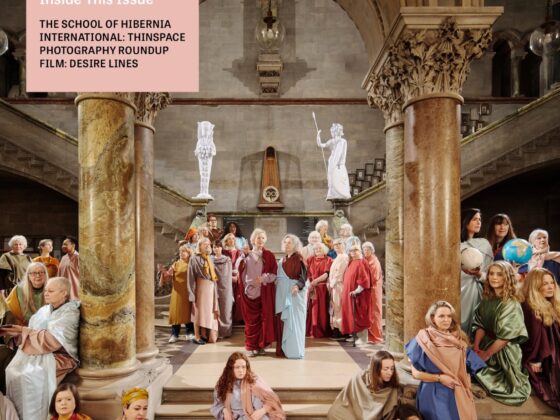
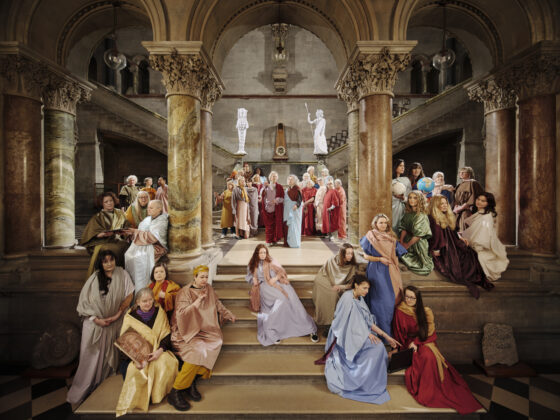
From 17 January to 28 February, I presented my exhibition ‘THINSPACE’ at Galerie Quynh (galeriequynh.com). Founded by Quynh Pham and Robert Cianchi, Galerie Quynh is the longest running contemporary art gallery in the country, having just recently celebrated its 23rd anniversary. Curated by Anh Dao Ha, ‘THINSPACE’ is the first ever solo exhibition by an Irish artist at the gallery. The exhibition explores ideas central to my practice, including the unsettling of anthropocentric narratives and the blurring of boundaries between the real and fictional, the body, the environment, and the mutability of time. Specifically, this body of work uses the Celtic concept of “thin places” to look at modes of co-existence between the human, non-human, and more-than-human.These themes of thresholds, in-flux states, and non-linear modes of co-existence that I have long explored through my practice can also be found within the independent art scene in Vietnam. While the economy grows and investment in industry and infrastructure surges, the art scene here remains largely supported by private individuals and community-led initiatives.
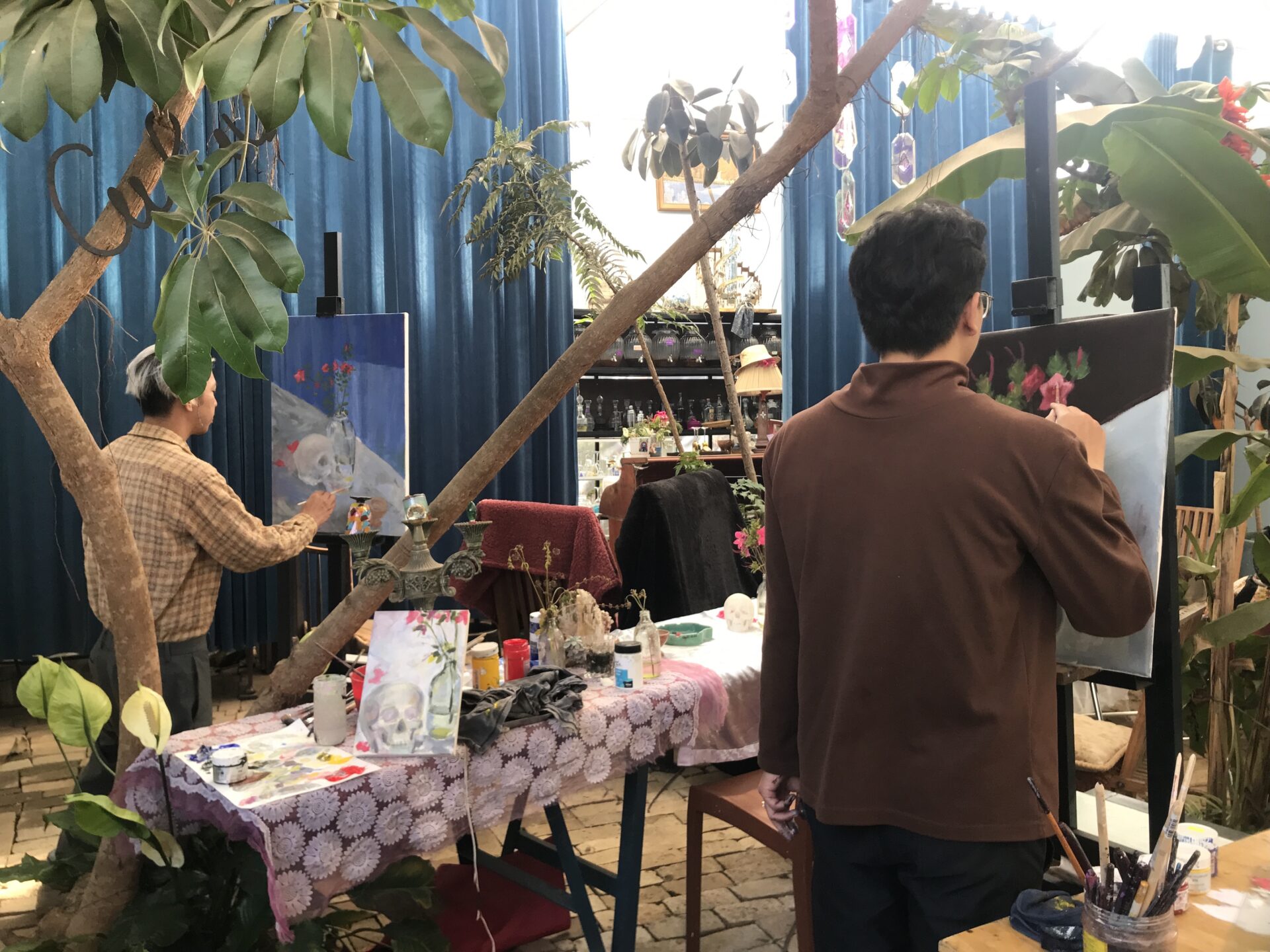
A big reason for moving here was to better understand the contemporary cultural landscape and the kind of art being made by new generations of artists. I don’t believe you can be passive in this regard; you must go, be there, and be part of it. After a couple of months, I joined A. Farm – an international artist residency based in a repurposed factory in District 12 of Ho Chi Minh City. The residency programme was a collaboration between three organisations: the Nguyen Art Foundation (NAF), one of Vietnam’s largest contemporary collections (nguyenartfoundation.com); Sàn Art, an independent artist-founded space (san-art.co); and MoT+++, an artist-run space centered on sound, video, and performance (motplusplusplus.com).
I was initially meant to stay in Vietnam for three months, but it turned into six, and I’m still here today. Through my time here, I have connected with an artistic scene that feels particularly immediate, true, and vital to me personally. Integral to the scene is a ‘multiverse’ of interconnected artist-run spaces and initiatives. These aren’t just alternatives to a system; they are the system. Because there is little funding for contemporary art, the infrastructure is largely built on collaboration. It is a DIY scene in which physical spaces are often in flux. You can see this in the work of the Nhà Sàn Collective (NSC), for example, which evolved from the Nhà Sàn Studio – an artist-run space founded in 1998 in Hanoi. NSC supports artist members to push experimental boundaries with or without physical space (nhasan.org).
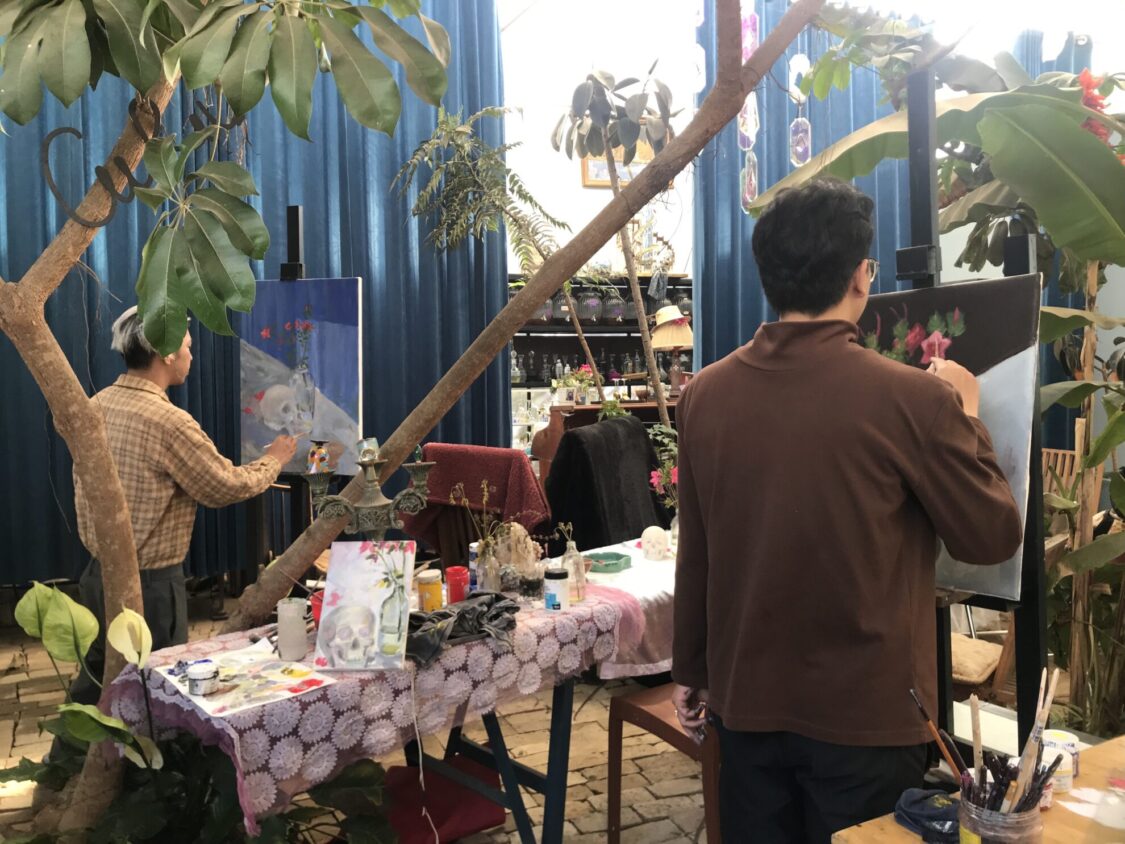
In central Vietnam, A Sông in Quảng Nam-Đà Nẵng focuses on grassroot art and community-building, while in the central highlands of Đà Lạt, the Sao La collective runs Cù Rú – a hybrid art-bar, library, and garden that brings artists together with botanists and farmers (saolacollective.weebly.com). Other projects embrace impermanence by design, such as 3năm studio in Ho Chi Minh City, founded with a three-year lifespan to experiment with co-living and art-labouring (3namstudio).
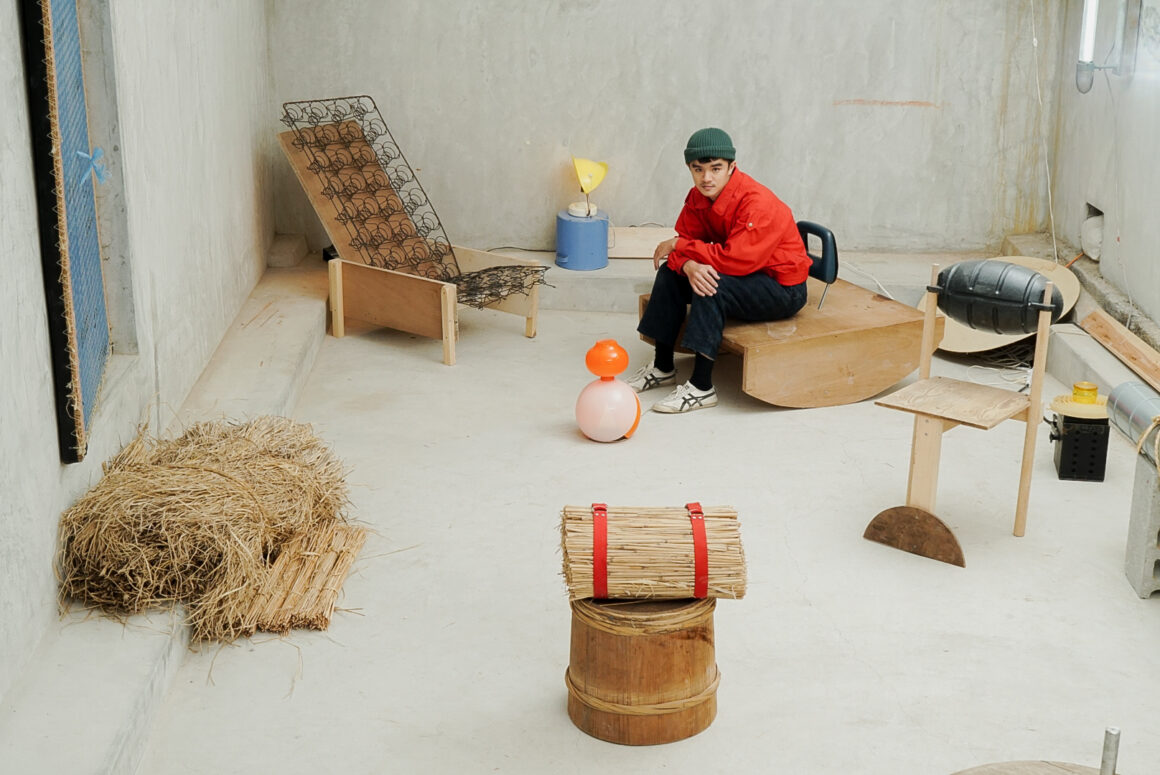
You find this collaborative spirit everywhere, from the interdisciplinary poetry and sound happenings of Tắm Đêm (tamdem_nightswim), to queer club collectives like Vấp Cục Đá (@vapcucda.sg), Gái Nhảy (@gai_nhay.vn), and Bung Lon (@bung_l0n). Also in Ném is a studio run by artist Dương Gia Hiếu. Using upcycled objects, Ném focuses on rethinking the relationships between people, objects and space through design. Ném has a physical space, but one that is conceptually malleable. It is simultaneously Hiếu’s studio, a cafe, a cocktail bar, and a furniture store. It hosts workshops, screenings, talks, exhibitions, and even karaoke (nemspace.info).
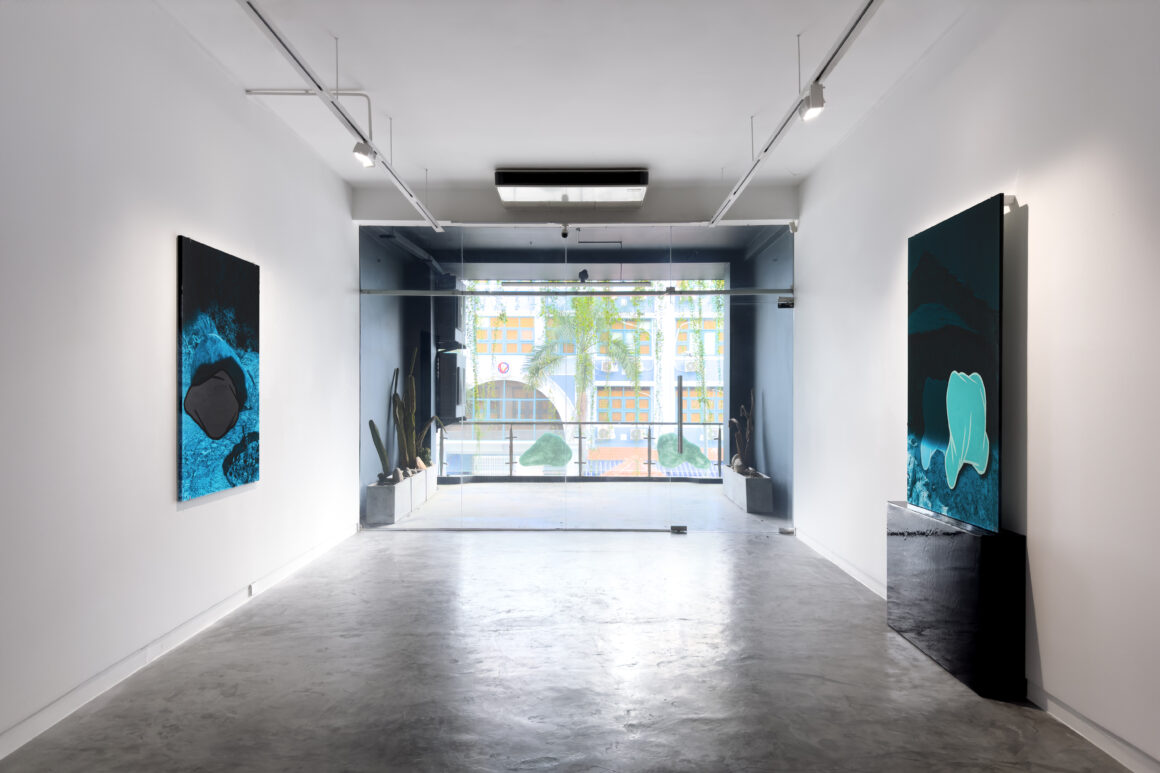
While the independent scene is artist-driven, institutional and diplomatic support remains a key bridge for external funding. My exhibition at Galerie Quynh was supported by the Irish Embassy in Vietnam. It is a significant moment, coinciding with the 30th anniversary of diplomatic relations between Ireland and Vietnam, and serving as an example of how cross-cultural collaboration can create whole new meaningful connections.
In Vietnam, collaboration is a way of being and a deeply ingrained attitude: if it doesn’t exist, you make it; if it’s broken, you fix it. Waiting for someone else to do it is not an option. When the New York-based Montez Press Radio visited last year, they were struck by how collectives seem to be more prevalent across contemporary culture here, than in the west. As the global art world seeks new models of sustainability, the same questions of adaptability and togetherness are being asked here in Vietnam.
Cian Duggan is an Irish artist based in Ho Chi Minh City, Vietnam. ‘THINSPACE’ was supported by the Embassy of Ireland, Vietnam.
cian-duggan.com