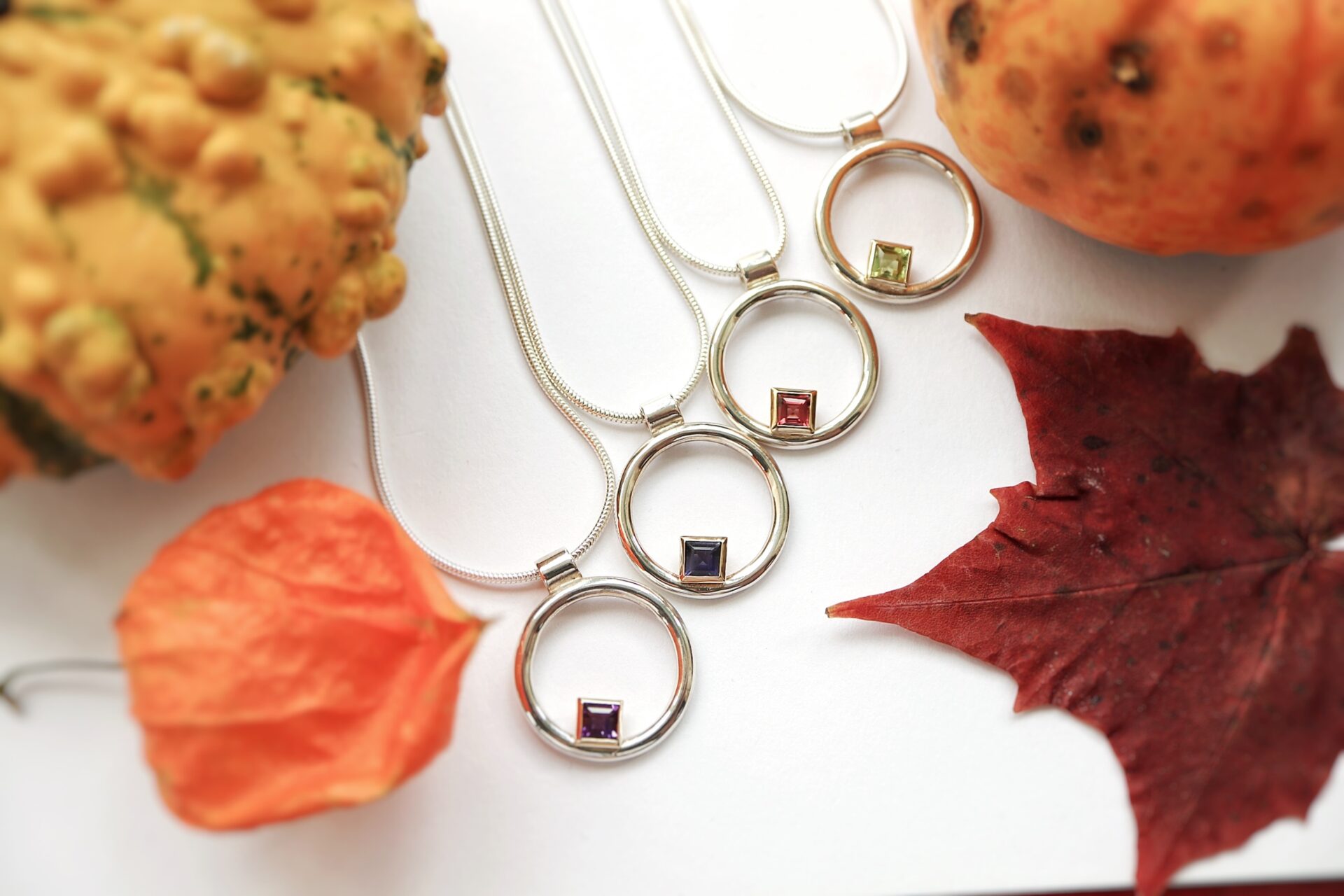
I didn’t set out to become a jeweller. My formal training was in furniture making, a discipline rooted in precision, patience, and an appreciation for materials in three-dimensions. However, somewhere along the way, my fascination with small-scale detail overtook my love of large-scale form. Jewellery found me, and I’ve been working with metal and loving it ever since.
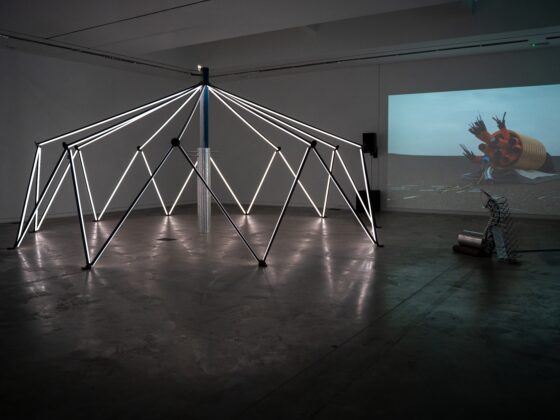
One of the early sparks for my creative thinking came from an unlikely place: architecture. I remember seeing the work of Iraqi-British architect Zaha Hadid for the first time and being completely struck by the flow and geometry in her designs. Her forms seem both mathematical and organic, strict and fluid. That duality became something I chased in my own work, using strong lines while always trying to inject something emotional or storied into the structure.

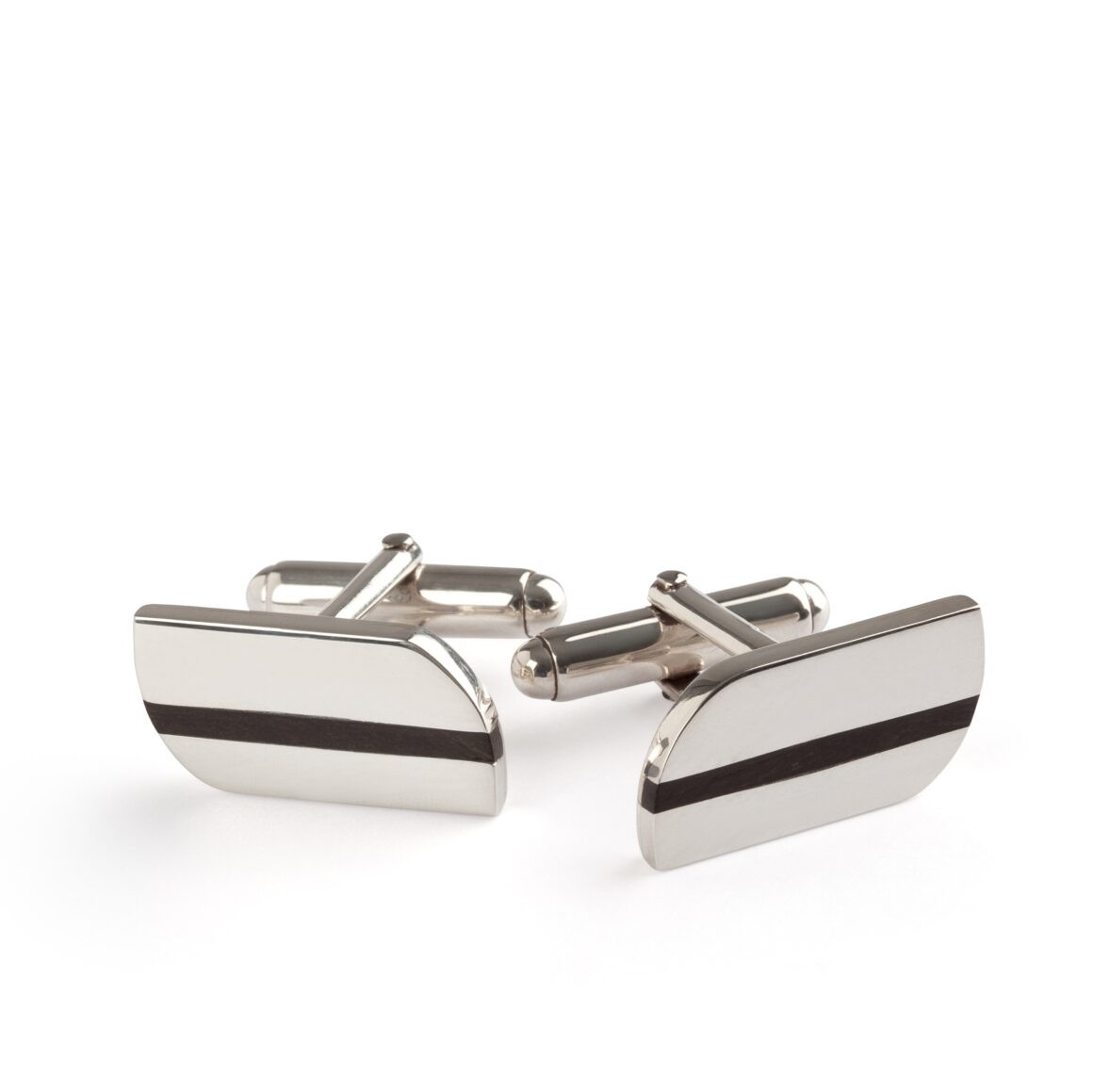
Before retraining through the Design & Crafts Council of Ireland’s jewellery and goldsmithing programme in Kilkenny, I began building a business designing contemporary jewellery, with a particular focus on cufflinks. These weren’t just decorative objects; they were small-scale vessels for storytelling. I started incorporating contextual materials into each pair, such as wood from old whiskey barrels, bronze from salvaged Rolls Royce jet engines, and pieces of meteorite. The idea was to embed memory and meaning into something wearable, tactile, and quietly expressive.
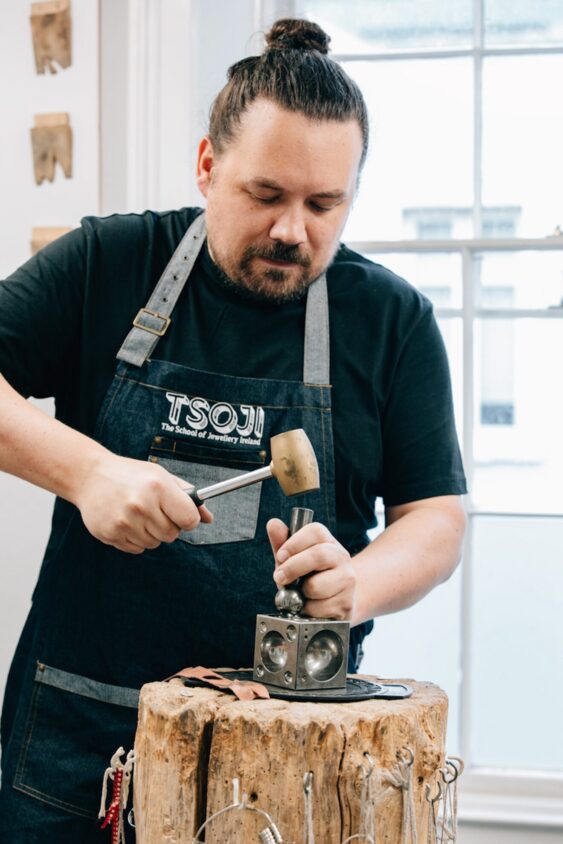
Much of my work begins with a simple saw frame. Whether I’m creating a custom piece or guiding a student through their first project, it almost always starts there. From the first piercing cut to the final polish, the process is hands-on. I use traditional fabrication techniques, occasionally mixing in modern tools like 3D printers or laser engravers, but to me, they’re all just another tool on the bench.
I now work from a well-equipped studio, more comprehensive than I ever imagined when I first started. But the tools are just part of the picture, what really drives me is the steady pursuit of new skills. Recently, I’ve been focusing on micro pavé stone setting, where every movement needs to be deliberate and exact. Currently, I’m returning to engraving, exploring how the cut line and texture can change the mood of a piece. There’s always something new to chase, and that momentum is what keeps me coming back to the bench.
Within a few years, my work was being stocked by over 20 retailers, both nationally and abroad. But as the business side of things grew, so did a deeper urge. I didn’t just want to make jewellery; I wanted to share the making. That instinct led me into teaching, and ten years later, education has become not just part of my practice, but the heart of it.
I now run The School of Jewellery Ireland, a vibrant, purpose-led school that welcomes over 70 students each week. It is based in Dublin city centre, and the ethos is simple: to make jewellery education accessible, hands-on, and encouraging. No gatekeeping, no elitism, just solid training, shared openly. What makes the community unique is the diversity of our students. Some arrive with no creative background at all. Others come from adjacent practices, such as architecture, ceramics, or graphic design and bring fresh ways of thinking about form and function. In many ways, they mirror my own unorthodox entry into jewellery. That perspective allows me to meet students where they are, and help them build the technical confidence needed to launch their own creative careers, or at least pursue a creative passion on the side.
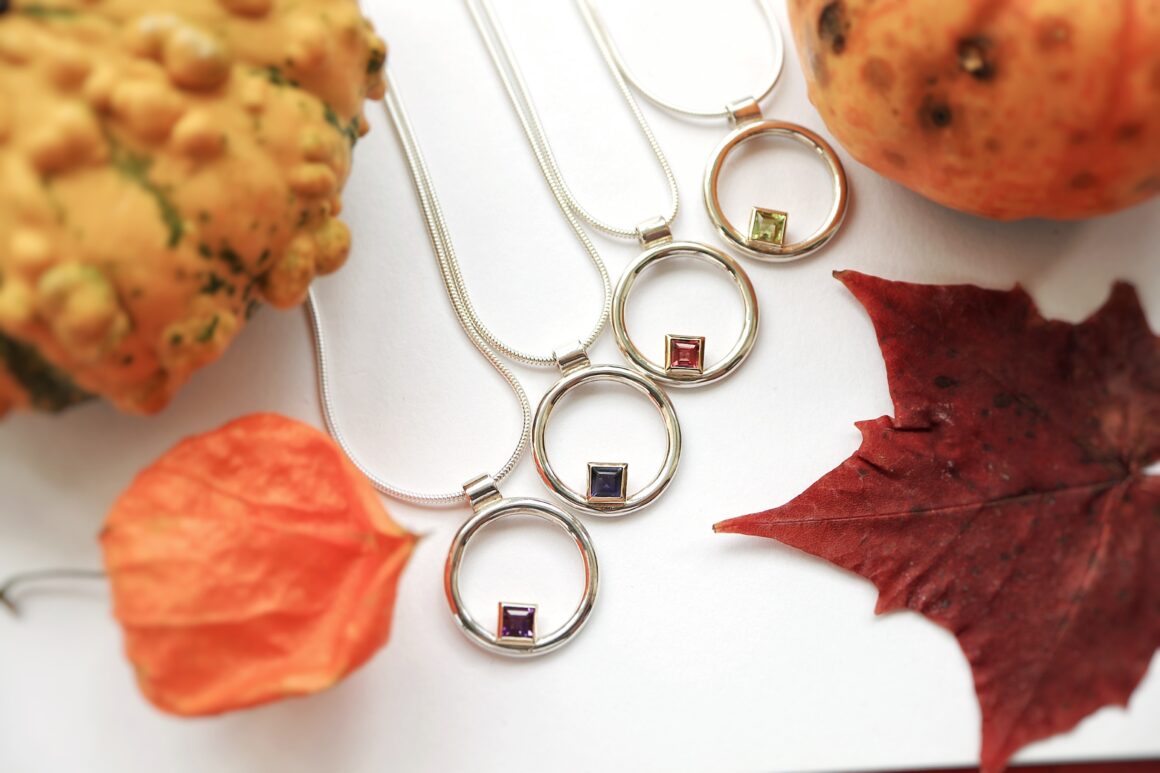
I’ve taught everyone from complete beginners to emerging professionals refining their skills, and each class reminds me how much jewellery resonates when people get the chance to explore it for themselves. I think what people connect with is that jewellery making involves thinking through your hands. There’s no substitute for the feeling of your first clean saw pierce, or the moment a soldered joint turns seamless. I love being there for those moments, and seeing them multiply. The school has grown organically, fuelled by word of mouth, an honest social media presence, and a commitment to quality. Each class is a little ecosystem of energy, creativity, and laughter – a reminder that the joy of making is often best when shared.
Although teaching takes up the bulk of my time these days, my own work at the bench is still evolving. More recently, I’ve started developing a new body of work using a ceramic composite that allows for rich colour and pattern to be integrated directly into the jewellery. It’s a material that opens the door to intricate, geometric designs, reflecting those early architectural inspirations, while offering something fresh and contemporary in terms of texture and colour.

Working with a composite brings its own technical challenges, but it’s also creatively freeing. The patterns are precise but playful, and I’m interested in how they sit alongside more traditional metals. This new direction has been a quiet but satisfying return to solo making, and a reminder that even after years of teaching, I’m still learning.
Looking forward, I’m focusing on bringing the school’s hands-on, supportive approach to an online format. I am currently developing a series of video-led classes that will allow students to learn foundational skills, such as saw piercing and soldering, from wherever they are and at their own pace. The goal is to make high-quality jewellery education more accessible, especially to those who can’t attend in person but still want to build meaningful skills at the bench. Alongside that, I’m also in the early stages of launching a new podcast, Mallet & Mandrel, where I’ll be interviewing jewellers, designers, and educators across the industry. It’s an opportunity to have honest conversations about the craft, creativity, and the often winding path that brings people into jewellery. Very few of us take the straight route.
Jewellery has always been about more than just adornment. It’s about connection and expression. Whether I’m soldering a hinge, guiding a student through their first bezel setting, or laying out plans for a new online course, that ethos remains the same. We’re all creating something, whether that be a piece, a skill, or a new beginning – it’s the most exciting work there is.
Paul Coyne is a jewellery designer, educator, and owner of The School of Jewellery Ireland, based in Dublin city centre.