CHRISTINE MACKEY REPORTS ON HER DURATIONAL RESIDENCY AS PART OF AN EU-FUNDED PROJECT.
WaterLANDS (Water-based Solutions for Carbon Storage, People and Wilderness) is an ambitious EU Horizon Europe Green Deal project, with 32 partners from 14 countries, coordinated by University College Dublin (waterlands.eu). Spanning from December 2021 to November 2026, with a budget of €23.6 million, the project’s environmental scope is the active restoration of wetland sites across Europe, generating carbon storage, supporting biodiversity, and creating lasting opportunities for local communities.
WaterLANDS has also embedded artistic practice within a dedicated Artist Residency Programme, recognising restoration as a cultural and social endeavour, as well as an environmental one. Catríona Devery, research manager at the UCD Earth Institute, is the residency coordinator for the AIR programme. The artists were selected through a highly competitive open call that included a written application, a shortlisting stage, and a final interview.
Residency Sites
Rather than operating from a single fixed location, the WaterLANDS residency is deliberately mobile, placing artists directly within the landscapes they are engaging with. Six Artist Engagement Residencies were established across wetland Action Sites in Bulgaria, Estonia, Ireland, Italy, the Netherlands, and the United Kingdom. Each runs part-time over four years, with artists spending around four weeks per year embedded at their site, working alongside wetland scientists, conservationists, and local communities. This extended model allows for deep, evolving relationships between the artists and their landscapes.
The six selected artists bring a diverse range of practices to their respective sites: Maria Nalbantova at Dragoman Marsh, Bulgaria; Elo Liiv at the Pärnu Catchment, Estonia; Claudio Beorchia at the Venice Lagoon, Italy; Marjolijn Dijkman at the Ems-Dollard Estuary, The Netherlands; and Feral Practice (the creative identity of UK-based artist and researcher, Fiona MacDonald) and Laura Harrington across the Great North Bog, United Kingdom.
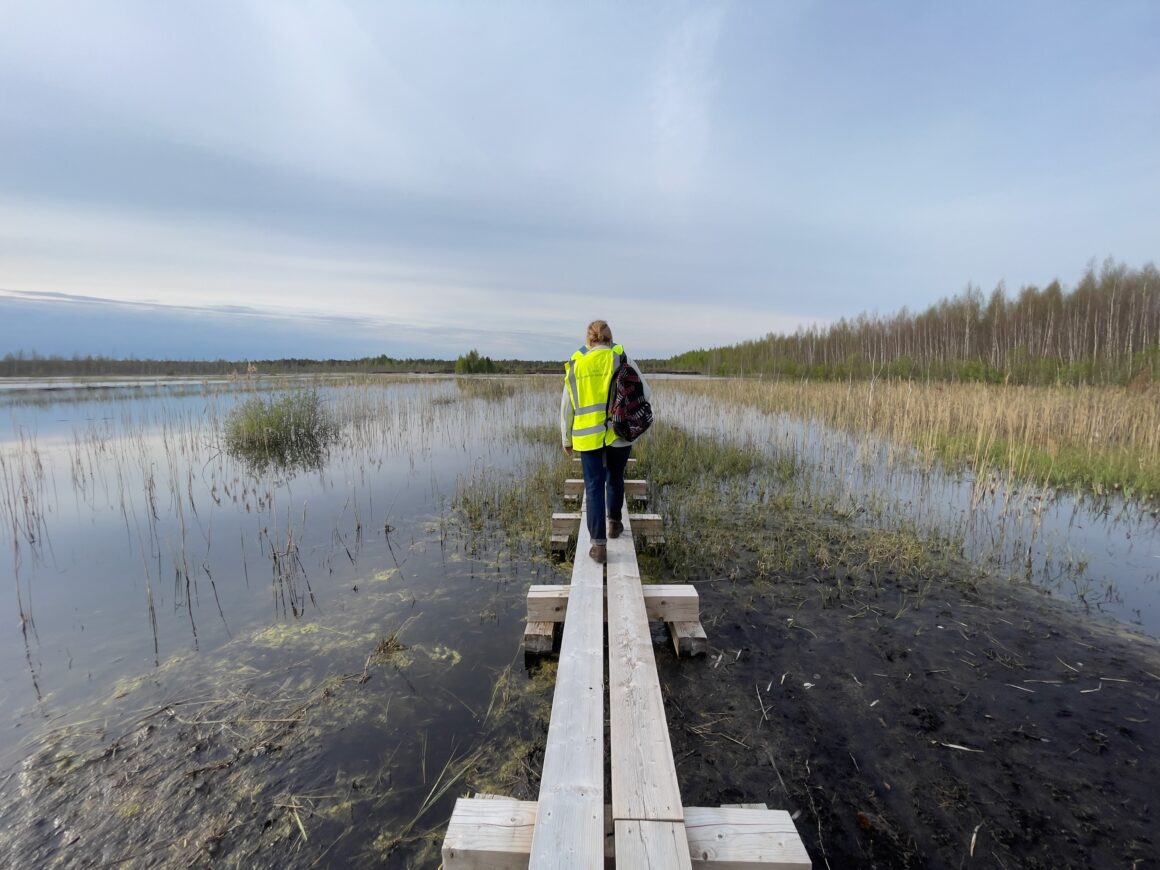
In Ireland, I was based at the Cuilcagh-Anierin Uplands SAC across Counties Leitrim and Cavan, a cluster of sites with strikingly different characters. Bencroy is a transitional habitat shifting from grassland to bog, featuring a disused coal mine that anchors the site’s geological history. Altateskin and Altachullion Upper are lowland blanket bogs, shaped by artificial drainage and conifer plantations, now actively managed and cleared. The most remote site, Sliabh an Iarainn (the ‘Iron Mountain’), east of Lough Allen, is defined by severe erosion and complex water systems.
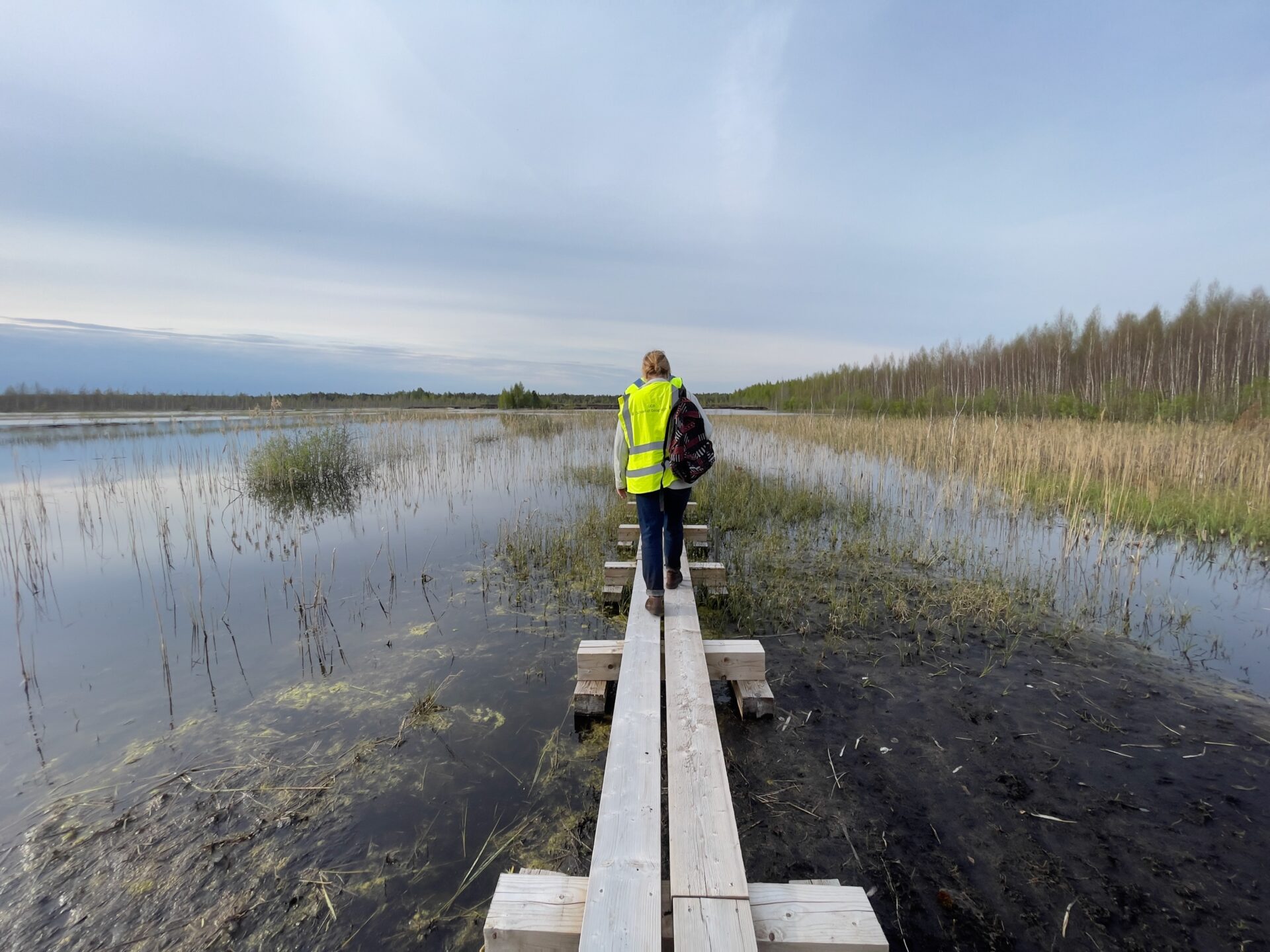
Accessibility itself became a central discovery for this residency. Each site is a container of distinct physical conditions, unique rock formations, dense heather, and unstable ground, demanding a different quality of attention. The constant rain, sloping terrain, and risk of sinking knee-deep into exposed peat pools shape not only the landscape, but the way one moves through it, listens, and observes.
Over time, my focus deepened around Bencroy, which is currently undergoing active restoration after years of damage from hydrological erosion and climate change. It presents a striking example of bare peat. These are areas where protective vegetation has been lost, exposing the underlying soil to wind, ice, and water. Bare peat acts as a source of CO₂ emissions and signals serious habitat loss, making its restoration both ecologically and creatively urgent.
Residency Fieldwork & Outcomes
My creative direction grew from sustained fieldwork alongside botanists John Conaghan and Heather Bothwell, who carry out annual plant surveys on site. Walking the bogs with notebook and pencil in hand, I learned to read the landscape through their eyes, tracking which plant communities are there, and which might return as restoration takes hold. This collaboration with scientists has been central to the project, deepening my understanding of how to inhabit and interpret these landscapes through movement, listening, and close observation.
This WaterLANDS residency is not a commission in a conventional sense but an opportunity for long-term, seasonal research, one that resists the results-driven frameworks of many institutional contexts. The reading material alone, spanning ecological theory, land ownership politics, and restoration law, feeds directly into the visual and conceptual fabric of the work. It is a practice that is difficult to quantify, but unmistakably accumulative.
So far, the six artists have presented their work to the WaterLANDS General Assembly, hosted by the University of Leeds (12–15 May 2025), but this year we also staged our first group exhibition, held at Pärnu City Gallery Artists House in southwestern Estonia. Curated by Elo Liiv, this exhibition was an offshoot of the residency and was funded by the Cultural Endowment of Estonia.
The WaterLANDS residency programme culminates this November in Venice, where the artists will collaborate with curators on a public event and accompanying publication. This will be a collective reflection on four years of work, made in and through wetland restoration, offering audiences a first encounter with the range of artistic responses emerging across all six sites.
Dr Christine Mackey is an independent, research-based artist who lives in Manorhamilton, County Leitrim.
studiochristinemackey.com