SÉAMUS MCCORMACK DISCUSSES THE UK-BASED ORGANISATION SUPPORTING EMERGING AND EARLY-CAREER ARTISTS FOR OVER SEVEN DECADES.
At New Contemporaries, we believe that creating environments where artists feel supported from their first point of contact with the art world is essential to building a more diverse, inclusive and sustainable system. Founded in 1949, by and for artists, we continue that sprit today to be led by our values that artists change us, and that everything can be reinvented.
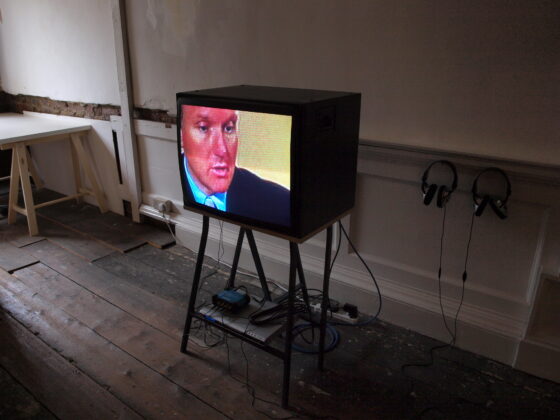
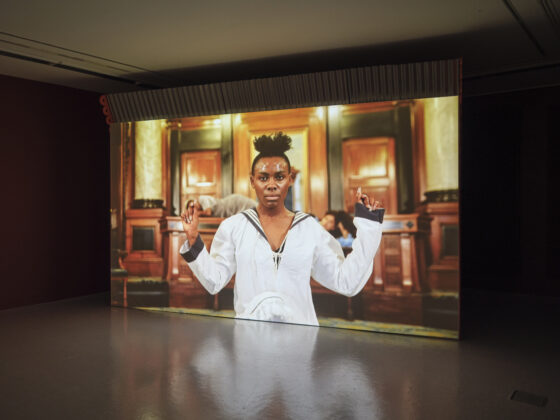
Over the decades, our programme has included artists such as Ed Atkins, Monster Chetwynd, Phil Collins, Tacita Dean, Antony Gormley, Sophie von Hellermann, Mona Hatoum, David Hockney, John Hoyland, Isaac Julien, Anish Kapoor, Mark Leckey, Rachel Maclean, Haroon Mirza, Richard Mosse, Mike Nelson, Laure Prouvost, Paula Rego and Gillian Wearing, among many others. What connects these artists is not a shared style, but the moment at which they were supported, at a formative point before wider recognition.
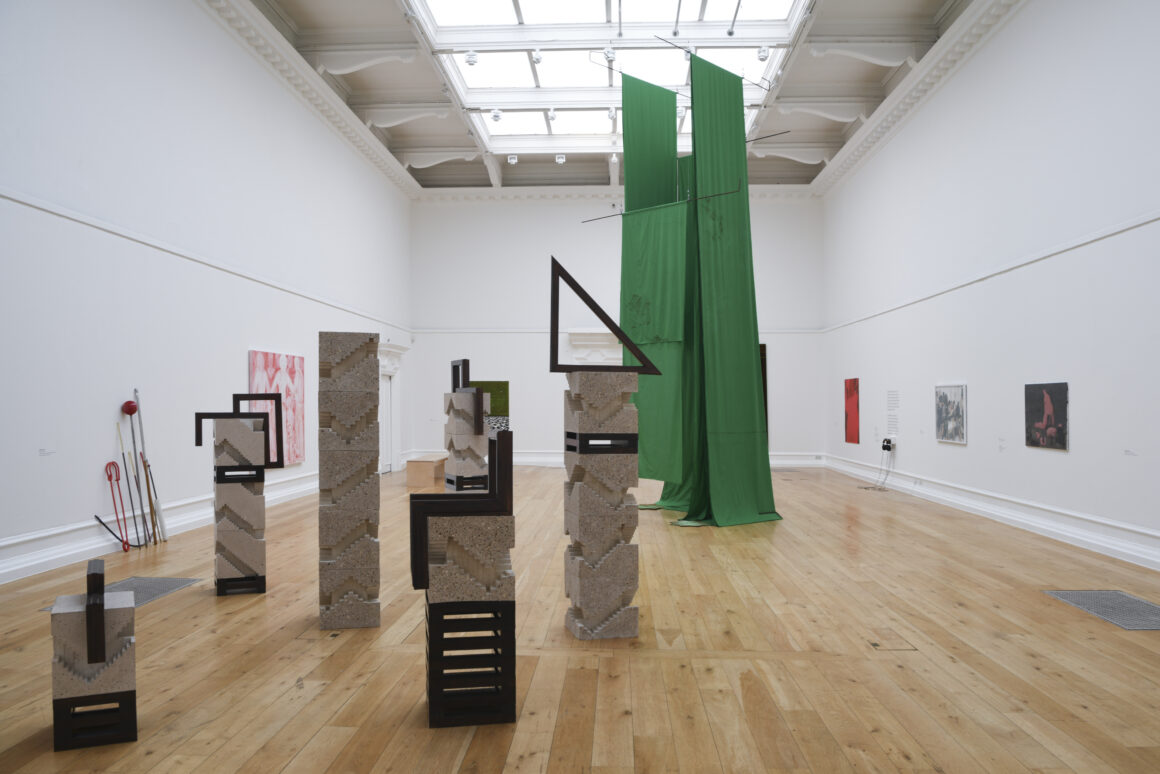
During the 1970s and 1980s, our annual exhibition operated as an artist-led initiative, organised and selected by students and artists themselves. In 1988, we re-established as an independent organisation and registered charity, creating a more sustainable structure while retaining a commitment to artist-led selection, strengthening our role between art education, professional practice, and public institutions. We are a small core team of five staff, with a Board of Trustees, and are funded by Arts Council England as a National Portfolio Organisation.
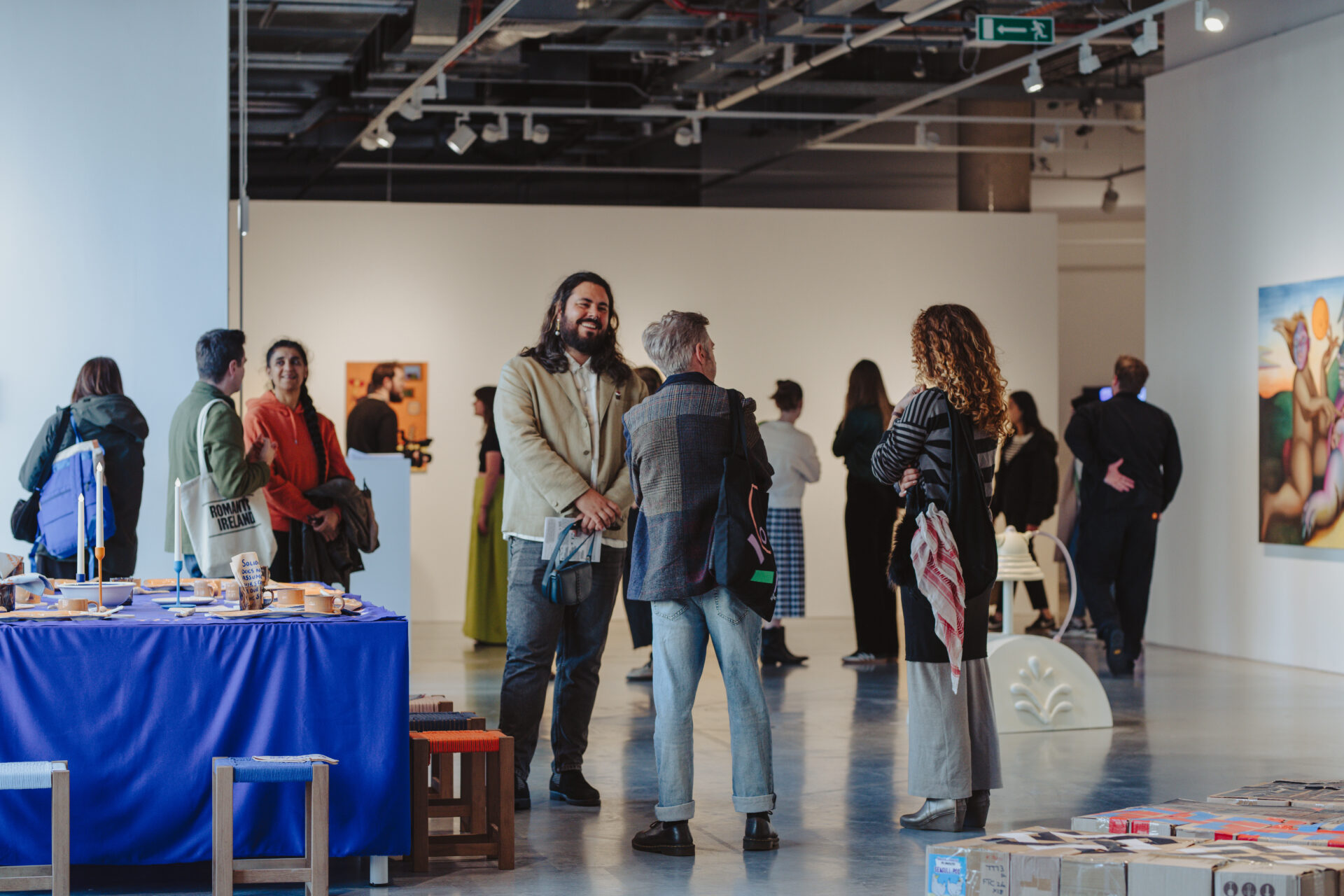
While formats and contexts continue to evolve, our purpose remains the same: to support artists at the point where new work, new thinking and new practices emerge. We co-curate an exhibition and public programme with leading London-based institutions including South London Gallery, ICA, and Camden Arts Centre, and nationally including most recently at Grundy Art Gallery (Blackpool), KARST (Plymouth), Humber Street Gallery (Hull), and upcoming at MIMA (Middlesborough) and Focal Point Gallery (Southend). By partnering with each of these institutions, we want to celebrate the particular art ecosystems in that locality. We build programmes to extend from the exhibition with artist-run spaces or other activities in each region.
Artists are selected for participation through an annual open call, which is selected by a panel that includes our team and established artists. For 2026, this panel includes Joy Gregory, Florence Peake, and Abbas Zahedi, who represent an exciting cross section of contemporary practice. To apply, artists need to be based in the UK, be over 21 (with no upper age limit), and we actively encourage applications from artists who are underrepresented in the sector, including those who experience barriers linked to ethnicity, class, disability, gender and sexuality.
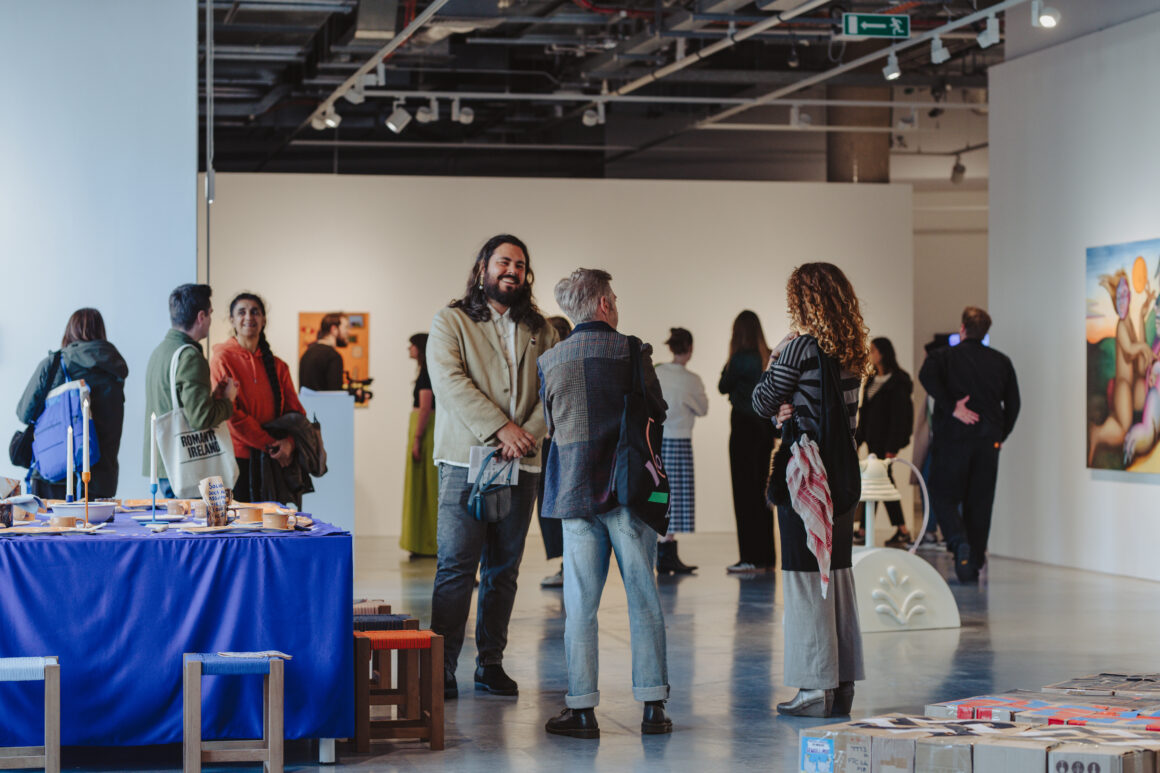
Over the last few years, we have expanded our eligibility remit, which now is self-defined by artists wanting to participate in our programme as ‘emerging or early-career’ and have removed the need to have graduated from formal art education. This is in recognition of the variety of trajectories for artists to start or even maintain a practice. We have seen an increased growth in pathways for artists, including informal, non-accredited learning programmes such as Open School East, Syllabus, and the Turps Studio Programme, as well as artists returning to practice later in life. In response to this expanding and increasingly diverse landscape, we are keen to support artists who are developing their practice outside of traditional routes of education.
Our work takes place across a year-round programme of artist development. This programme is shaped by the approaches, needs and ambitions of artists working today, and includes mentoring, workshops, talks, residencies, and commissions. Currently, we work with organisations such as FORMA and Hospitalfield to create opportunities for studio residencies, and this is something we are keen to grow, as access to studio provision becomes increasing challenging for artists.
Our remit is to support artists across the four nations of the UK, and we are actively working to create stronger relationships and visibility for artists working in all areas of the country. We have recently received a curatorial grant from Art Fund to undertake some research with practitioners and organisations in both Belfast and Derry/Londonderry, as a way of understanding the needs of artists in the Northern Irish context.
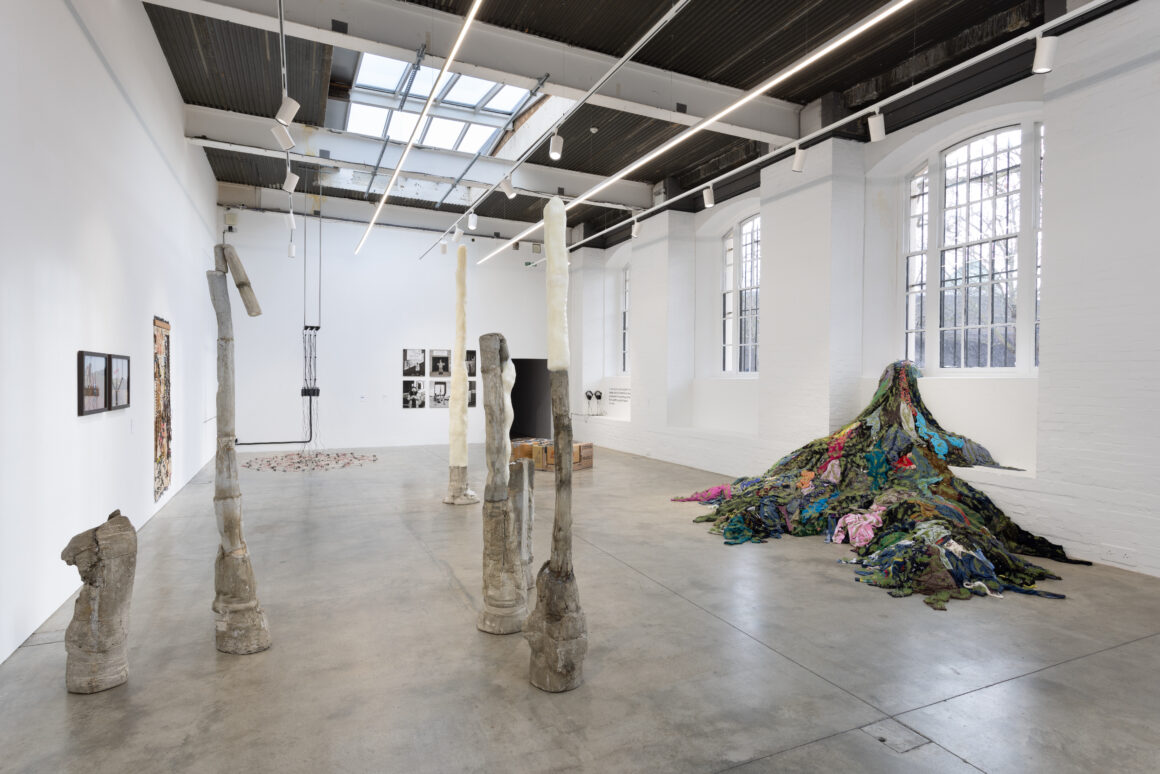
The UK, particularly the city hubs, still attract many Irish or Ireland-based artists to either study or practice. Over the last number of years, we have worked with artists from the island including Christopher Steenson and Aaron Alexander Smyth (2025); Síomha Harrington and Hazel O’Sullivan (2024); Alannah Cyan and Anne McCloy (2023); Aoibheann Greenan (2021); and Cáit and Éiméar McClay (2020). We have seen their individual practices benefit from inclusion, leading to more opportunities, visibility, and connecting with new networks.
Artists can participate in our programme in two ways: either by applying through our annual open-call programme, which opens in the spring of each year; or through attending our online or in-person events, advertised on our website or social media channels, that address topics and issues to support the next generation of artists. What excites me about working at New Contemporaries is the variety of artists we get to collaborate with, along with the range of UK-based partners we programme with. Our programme is agile, adaptive, and able to create meaningful change by responding to artists’ needs, while remaining new and forward-looking.
Séamus McCormack is an Irish born London based curator and Senior Curator at New Contemporaries.
newcontemporaries.org.uk